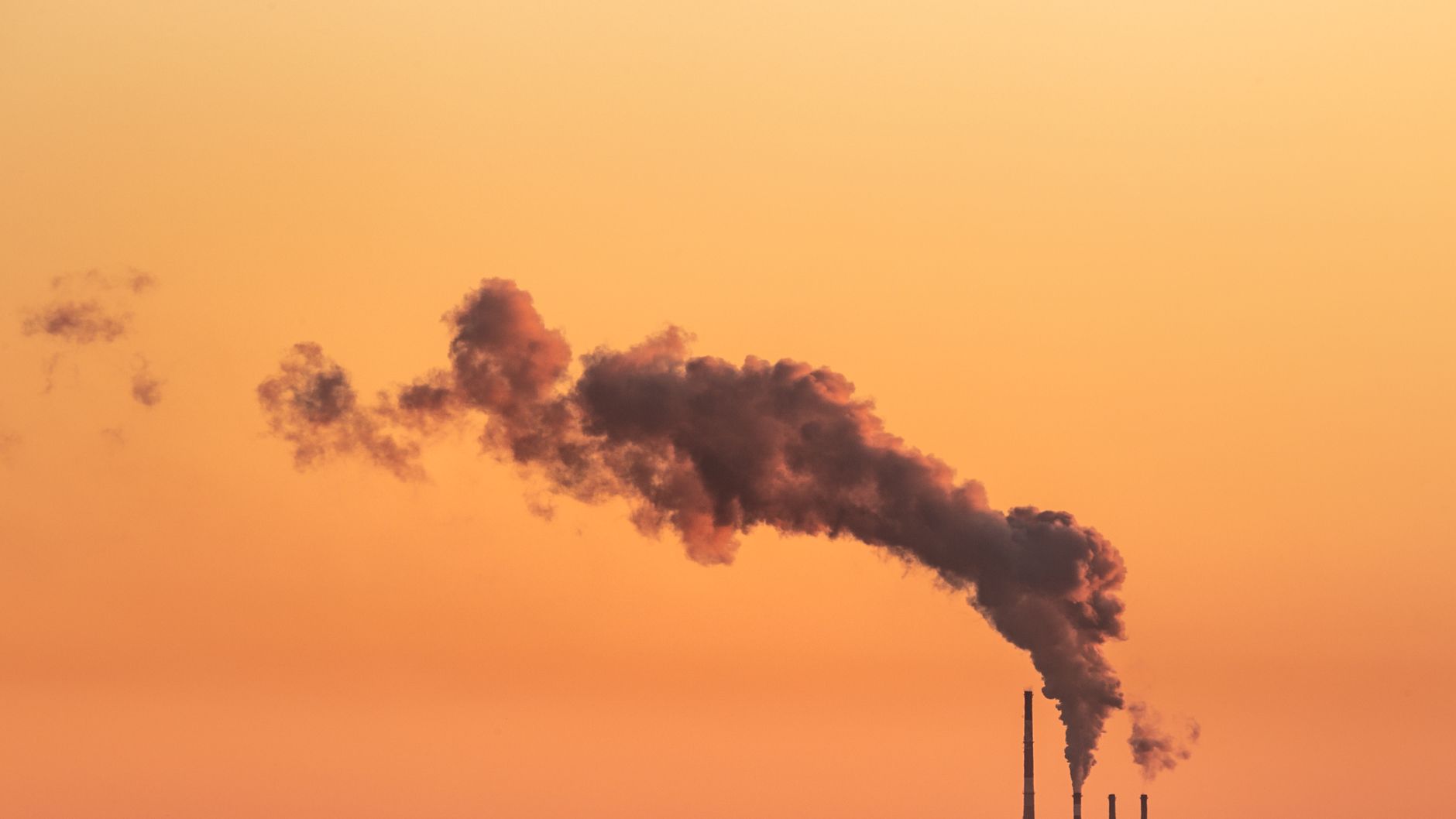
Oily skin air pollutants can significantly affect your health. Recent studies suggest that individuals with oily skin may experience heightened exposure to harmful pollutants in the environment.
Understanding Oily Skin
Oily skin is a common skin type characterized by excess sebum production, which can lead to various skin issues. Individuals with oily skin often struggle with acne, enlarged pores, and a shiny complexion. This condition is influenced by several factors, including genetics, hormonal changes, and environmental elements.
Understanding the relationship between oily skin and external aggressors is crucial, especially concerning air pollutants. Research has shown that individuals with oily skin may experience heightened dermal exposure to these harmful substances. This increased exposure can exacerbate existing skin problems and contribute to premature aging.
Some common characteristics of oily skin include:
- Shiny appearance: Oily skin often looks glossy, particularly in the T-zone area.
- Acne breakouts: Excess sebum can clog pores, leading to pimples and blackheads.
- Enlarged pores: The overproduction of oil can cause pores to stretch and appear larger.
- Thicker texture: Oily skin tends to feel thicker and may have a rougher texture compared to other skin types.
Understanding these characteristics helps in managing oily skin effectively, especially in urban areas where air pollutants are prevalent.
How Air Pollutants Affect Skin Health
Air pollutants pose a significant threat to skin health, particularly for those with oily skin. When the skin’s oil glands produce excess sebum, they create an environment that can trap pollutants on the surface, leading to various skin issues.
Here are some ways air pollutants affect skin health:
- Increased Inflammation: Pollutants can trigger inflammatory responses in the skin, exacerbating conditions such as acne and rosacea.
- Oxidative Stress: Exposure to harmful particles can result in oxidative stress, which damages skin cells and accelerates aging.
- Clogged Pores: Oily skin is more susceptible to clogged pores due to the combination of sebum and environmental debris, leading to breakouts and irritation.
- Altered Skin Barrier: Pollutants can compromise the skin’s natural barrier, making it more vulnerable to moisture loss and further damage.
Furthermore, research indicates that individuals with oily skin may experience greater dermal exposure to air pollutants, heightening the risk of adverse skin reactions. It is crucial to adopt protective measures, such as using appropriate skincare products and maintaining a consistent cleansing routine, to mitigate the damaging effects of air pollutants on oily skin.
Oily Skin and Increased Pollutant Exposure
Recent studies indicate that individuals with oily skin may experience heightened vulnerability to air pollutants. The natural oils produced by the skin can trap these harmful substances, leading to increased dermal exposure and potential skin issues.
When air pollutants accumulate on the surface of oily skin, they can create a thick layer that obstructs the skin’s ability to breathe. This can result in:
- Clogged pores, which can lead to breakouts and acne.
- Increased inflammation, making the skin appear red and irritated.
- Accelerated aging, as pollutants can damage collagen and elastin, essential proteins for skin elasticity.
Moreover, the interaction between excess oil and these pollutants can disrupt the skin’s natural barrier, making it more susceptible to environmental stressors. This poses a significant challenge for those with oily skin, as they must navigate the delicate balance between managing oil production and protecting their skin from external aggressors.
In conclusion, understanding the relationship between oily skin and air pollutants is crucial for developing effective skincare routines that can mitigate these risks and promote healthier skin.
Preventing Skin Damage from Pollution
Preventing skin damage from pollution is essential for those with oily skin, as air pollutants can exacerbate existing issues. Here are some effective strategies to protect your skin:
- Daily Cleansing: Use a gentle cleanser specifically designed for oily skin to remove excess oil and impurities. This helps minimize the accumulation of pollutants on the skin’s surface.
- Moisturize Wisely: Opt for lightweight, non-comedogenic moisturizers that hydrate without clogging pores. This is crucial for maintaining a healthy moisture balance, even in oily skin types.
- Sunscreen Application: Apply a broad-spectrum sunscreen daily. Air pollutants can increase skin sensitivity to UV light, making sun protection vital for preventing further damage.
- Antioxidant-Rich Products: Incorporate serums or creams containing antioxidants to combat oxidative stress caused by pollution. Ingredients like vitamin C and E can help protect skin cells.
- Regular Exfoliation: Exfoliate 1-2 times a week to remove dead skin cells and prevent clogged pores, which can worsen the effects of oily skin and exposure to air pollutants.
By implementing these practices, individuals with oily skin can significantly reduce the impact of air pollutants and maintain healthier skin.
The Science Behind Oily Skin and Pollutants
Research has shown that oily skin can significantly increase exposure to air pollutants, creating a concerning relationship between skin health and environmental factors. When air pollutants, such as particulate matter and volatile organic compounds, come into contact with oily skin, they can penetrate deeper into the dermal layer, leading to various skin issues.
One of the primary reasons oily skin is more susceptible to pollutants is its production of excess sebum. This natural oil can trap pollutants on the skin’s surface, preventing them from being easily washed away. As a result, harmful substances accumulate, which can exacerbate conditions such as acne and inflammation.
Moreover, the interaction between sebum and air pollutants may trigger oxidative stress, leading to a breakdown of collagen and elastin, essential proteins for maintaining skin elasticity and firmness. The consequences of this can manifest as:
- Increased acne breakouts due to clogged pores
- Premature aging from damaged skin cells
- Inflammatory reactions that can worsen skin conditions
Understanding the science behind oily skin and air pollutants emphasizes the importance of effective skincare routines designed to combat these environmental threats.
Tips for Managing Oily Skin
Managing oily skin, especially in the face of rising air pollutants, requires a dedicated approach. Here are some effective tips to help control oiliness while protecting your skin:
- Cleanse Regularly: Use a gentle cleanser twice daily to remove excess oil and impurities. Look for products specifically formulated for oily skin.
- Exfoliate Wisely: Incorporate a mild exfoliant into your routine a few times a week. This helps to unclog pores and reduce the buildup of dead skin cells and pollutants.
- Moisturize: Even oily skin needs hydration. Opt for a lightweight, oil-free moisturizer to maintain balance without adding excess oil.
- Use Sunscreen: Protect your skin from UV damage, which can exacerbate oiliness. Choose a non-comedogenic sunscreen to prevent clogging pores.
- Consider Anti-Pollutant Products: Look for skincare products that contain antioxidants and ingredients designed to combat the effects of air pollutants on oily skin.
- Stay Hydrated: Drink plenty of water to help keep your skin hydrated from within, potentially reducing oil production.
These strategies can help mitigate the impact of air pollutants on oily skin, leading to a healthier complexion.
Research has shown that oily skin air pollutants can exacerbate acne and other skin conditions. Understanding the link between oily skin air pollutants and environmental factors is crucial for effective skincare.
Photo by Marek Piwnicki on Pexels



2 thoughts on “Oily Skin: The Worst Threat from Air Pollutants Revealed”