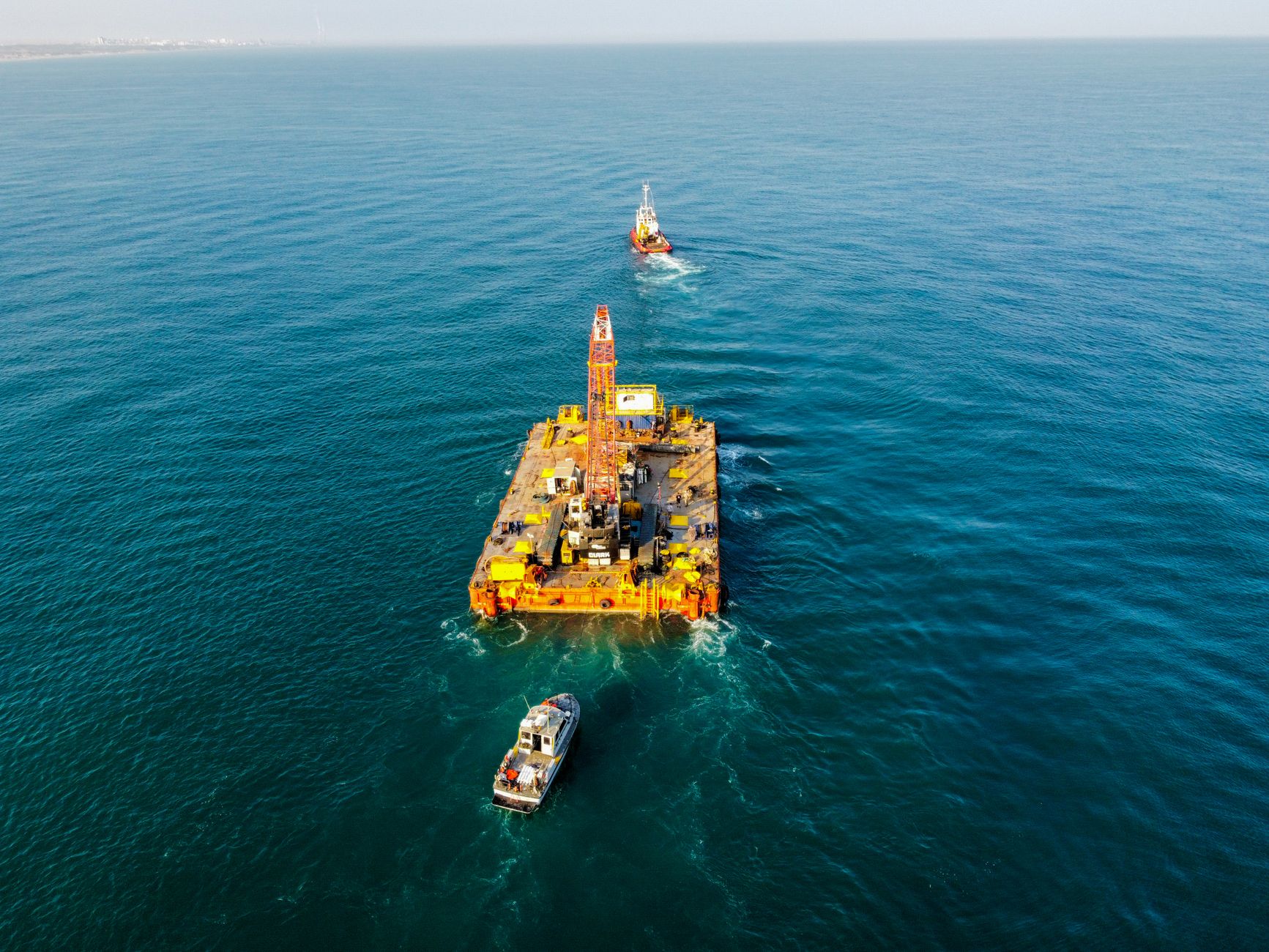
oil futures pull back as the recent sanctions waiver on Russia creates uncertainty in the market. Investors are reacting to potential shifts in supply and demand dynamics.
Understanding Oil Futures Pull Back
The recent pull back in oil futures can be attributed to a significant development concerning sanctions on Russia. As the global market reacts to the news of a sanctions waiver, traders are carefully assessing the implications for future oil supply and demand dynamics.
When sanctions are lifted or altered, it can lead to fluctuations in oil prices, affecting economies around the world. The current situation has caused uncertainty amongst investors, prompting a re-evaluation of their positions in the oil market.
Several factors are influencing the pull back in oil futures, including:
- Market Sentiment: Investor confidence is shaken by geopolitical developments, leading to increased volatility.
- Supply Chain Dynamics: A potential increase in Russian oil exports could flood the market, driving prices down.
- Global Demand Forecasts: Concerns over economic slowdowns may dampen demand for oil, further contributing to the price decrease.
As traders digest the ramifications of these changes, the oil market remains in a state of flux. Analysts predict that continued monitoring of global political climates will be crucial in understanding the long-term effects of the sanctions waiver on oil futures pull back.
Impact of Russia Sanctions on Oil Prices
The recent pull back in oil futures is closely linked to the implications of the sanctions waiver on Russian oil exports. As countries navigate their energy policies amid ongoing geopolitical tensions, the market remains volatile.
Analysts are observing several key factors that contribute to the fluctuations in oil prices:
- Supply Dynamics: The sanctions waiver allows for a limited flow of Russian oil, which increases supply in a market already grappling with overproduction concerns.
- Global Demand: Despite the potential increase in supply, global demand for oil remains uncertain, especially with fears of an economic slowdown in major markets.
- Geopolitical Tensions: Ongoing conflicts and diplomatic negotiations can abruptly shift market sentiment, affecting trader confidence and oil futures pricing.
- Speculation: Traders are closely monitoring developments regarding the sanctions and their potential expansion, adding a layer of speculation that can lead to significant price swings.
As the oil market reacts to these variables, the recent oil futures pull back may indicate a period of adjustment. Investors will be keen to assess how the landscape evolves in response to changes in policy and market conditions.
Market Reactions to Sanctions Waiver
The announcement of a sanctions waiver has led to significant volatility in the oil market, causing oil futures to pull back from their recent highs. Traders and analysts are closely monitoring the effects of this waiver, which is expected to shift the dynamics of supply and demand.
Market reactions have been mixed, with many investors expressing concern over potential oversupply. Key impacts include:
- Price Fluctuations: Following the news, oil prices saw an immediate drop as market participants adjusted their expectations regarding future supply levels.
- Increased Trading Volume: The uncertainty surrounding the sanctions waiver has led to a surge in trading activity, as investors seek to capitalize on the changing market conditions.
- Global Oil Supply Concerns: Countries reliant on oil exports are watching the situation closely, as changes in sanctions could alter their revenue streams and market positioning.
Many analysts suggest that while the sanctions waiver may provide temporary relief to some producers, the long-term implications could be detrimental to oil prices if production ramps up significantly. As a result, the market remains on edge, with oil futures pull back seen as a reflection of these broader economic uncertainties.
Future Trends in Oil Trading
The recent developments surrounding oil futures pull back have left traders and analysts pondering the future trends in oil trading. As the market adapts to a shifting geopolitical landscape, several key factors are expected to influence oil prices in the coming months.
- Global Demand Recovery: The ongoing recovery from the pandemic is anticipated to drive up demand for oil. With economies reopening worldwide, increased travel and industrial activity could lead to higher consumption rates.
- OPEC+ Production Decisions: The Organization of the Petroleum Exporting Countries and its allies (OPEC+) will play a crucial role in stabilizing market conditions. Their decisions regarding production cuts or increases will directly impact oil futures.
- Geopolitical Risks: Tensions in oil-producing regions, particularly in the Middle East and Eastern Europe, could create volatility in the market. Traders will need to remain vigilant about potential disruptions that could affect supply.
- Alternative Energy Sources: The rise of renewable energy and electric vehicles may gradually alter oil demand. While this shift might not be immediate, it is an essential factor for long-term market projections.
In conclusion, as oil futures pull back due to the sanctions waiver, understanding these emerging trends will be vital for investors navigating the complexities of the oil market.
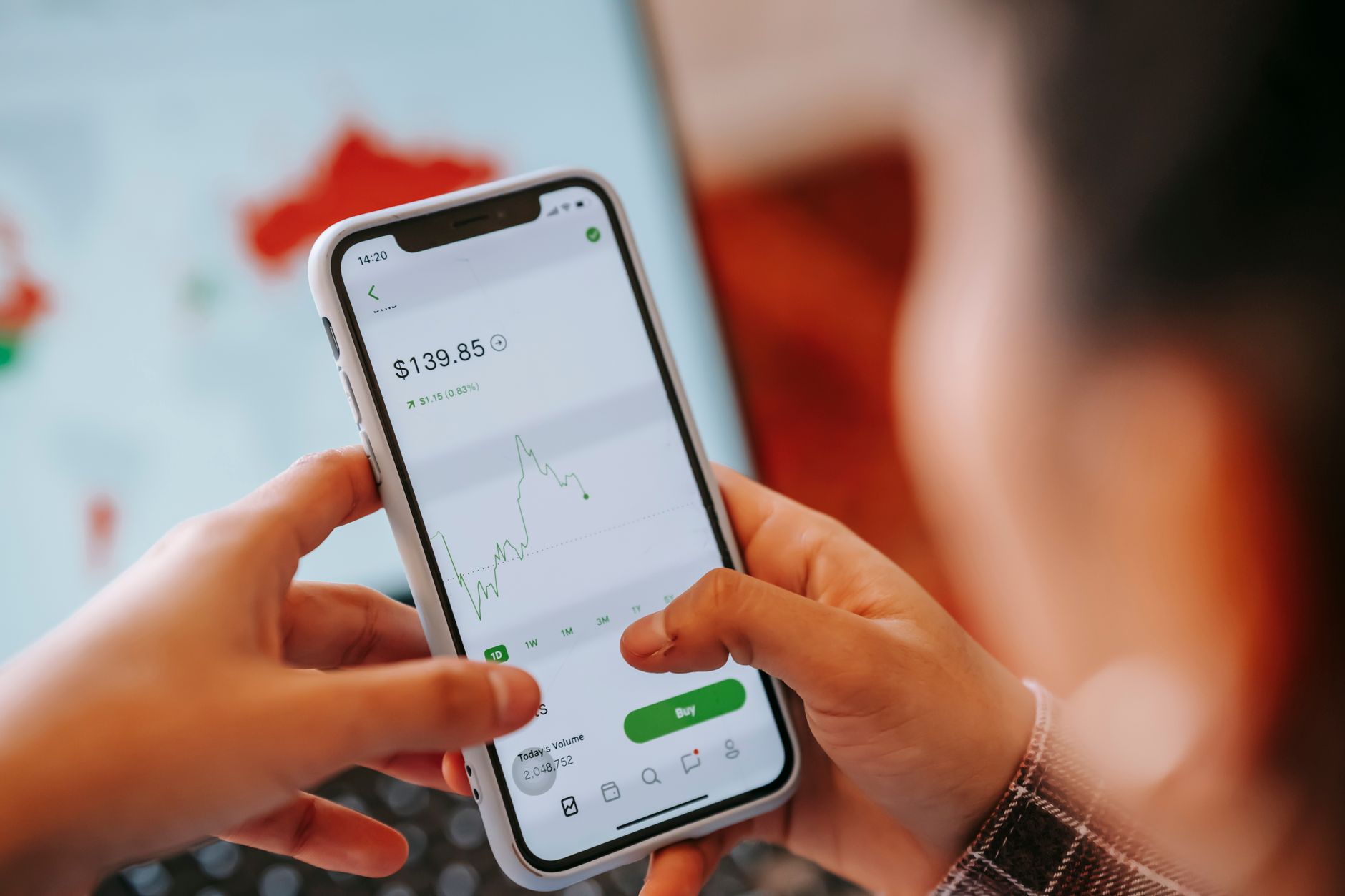
As market analysts assess the implications of the recent sanctions waiver, many are observing how oil futures pull back in response to changing geopolitical dynamics. This fluctuation indicates a complex interplay between supply concerns and investor sentiment, leading to uncertainty around future pricing.
Photo by Lio Voo on Pexels
References
Revived Pig Kidneys: A Proven Breakthrough for Organ Transplants · Oily Skin: The Worst Threat from Air Pollutants Revealed · Jailer 2 Box Office Collection: Proven Success at Rs 424 Crore


One thought on “Oil Futures Pull Back: The Real Impact of Sanctions Waiver”