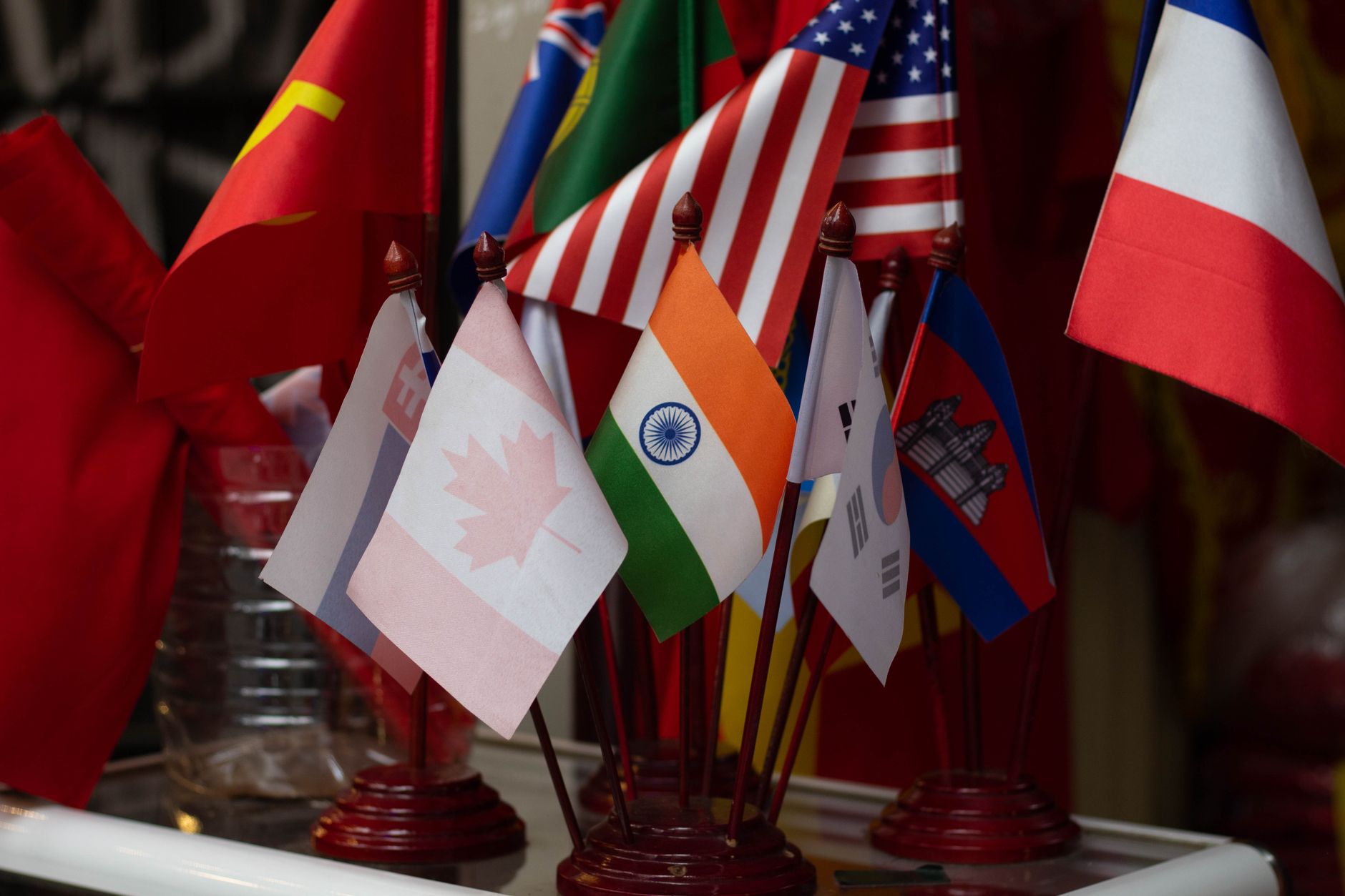
BRICS Summit 2026 is set to be a pivotal event as world leaders gather for discussions aimed at global welfare and collaboration.
Overview of the BRICS Summit 2026
The upcoming BRICS Summit 2026 is poised to be a significant gathering, drawing attention from political analysts and global leaders alike. As countries in the BRICS coalition—Brazil, Russia, India, China, and South Africa—prepare to convene, the world watches for insights that could influence international relations and economic strategies.
Notably, Prime Minister Modi has expressed hopes for positive discussions that aspire towards global welfare. This sentiment reflects a growing emphasis on collaboration amidst increasing geopolitical tensions. The summit serves as a platform for member nations to address pressing global issues, including trade, climate change, and security.
Participants will engage in dialogues that could redefine alliances and economic partnerships. Observers anticipate discussions on the expansion of BRICS, which may include new member states seeking to join the coalition. The outcomes of these discussions are expected to have lasting implications not just for the member countries but also for the global community.
As the date approaches, anticipation builds regarding the potential revelations and agreements that may arise from the BRICS Summit 2026, making it an event worth watching for those keen on global dynamics.
Key Issues on the Agenda
The upcoming BRICS Summit 2026 is set to address several critical issues that are expected to shape the future of international relations and global economic strategies. World leaders will converge to discuss topics that resonate with both developed and developing nations.
- Economic Cooperation: The summit will focus on enhancing trade relationships among BRICS nations, aiming to reduce dependence on Western markets and strengthen local economies.
- Climate Change: With climate issues becoming increasingly urgent, leaders will explore sustainable practices and collaborative efforts to combat environmental challenges.
- Technological Innovation: The role of technology in economic growth will be a significant topic, especially concerning digital currencies and cybersecurity measures.
- Global Health: In light of recent global health crises, discussions will center on improving healthcare infrastructure and pandemic preparedness in member countries.
- Geopolitical Tensions: The summit will also address rising geopolitical tensions, seeking to foster dialogue on conflict resolution and peacekeeping initiatives.
These discussions are anticipated to yield valuable insights, making the BRICS Summit 2026 a crucial event for anyone interested in the future of global governance.
PM Modi’s Expectations
As the world looks toward the upcoming BRICS Summit 2026, Prime Minister Narendra Modi has expressed optimism regarding the discussions that are set to unfold. He emphasized the need for meaningful dialogues that could pave the way for collaborative solutions to pressing global challenges. Modi’s expectations center around fostering a spirit of cooperation among BRICS nations, aiming for a united front on economic stability and development.
In his statements, PM Modi highlighted several key areas he hopes will be addressed during the summit:
- Economic Growth: Strategies to enhance trade and investment opportunities among member countries.
- Climate Change: Joint efforts to combat environmental issues and promote sustainable development.
- Technological Cooperation: Initiatives to share innovations and advancements in various sectors.
- Global Security: Addressing the increasing threats to peace and stability in different regions.
Modi’s aspirations reflect a broader hope for positive outcomes that not only benefit BRICS nations but contribute to global welfare as a whole. His approach suggests that the BRICS Summit 2026 could be a pivotal moment for international collaboration.
Impact on Global Relations
The upcoming BRICS Summit 2026 is poised to significantly impact global relations, particularly among emerging economies. As leaders from Brazil, Russia, India, China, and South Africa converge, their discussions could reshape diplomatic ties and economic collaborations.
One of the key aspects to watch is how these nations address pressing global challenges, such as climate change, trade disparities, and security concerns. The summit will provide a platform for member states to voice their perspectives and propose collaborative solutions, fostering a sense of unity among these diverse countries.
Furthermore, the BRICS alliance serves as a counterbalance to Western dominance in international affairs. By positioning themselves as a cohesive bloc, these nations can negotiate more effectively on issues that matter to their respective populations. This could lead to a more equitable distribution of power in global governance.
As PM Modi expresses hopes for “positive discussions with aspiration for global welfare,” the potential outcomes of the BRICS Summit 2026 could redefine partnerships and alliances, ultimately influencing the geopolitical landscape for years to come.
- Strengthening economic ties among member nations
- Addressing climate change collaboratively
- Enhancing security cooperation
Participating Leaders and Their Roles
The upcoming BRICS Summit 2026 is set to feature a diverse array of leaders, each bringing unique perspectives and priorities to the table. Their roles will significantly shape the discussions and outcomes of this pivotal event. Among the notable participants are:
- Xi Jinping, President of China: As a founding member of BRICS, Xi will likely advocate for increased economic cooperation and development initiatives.
- Vladimir Putin, President of Russia: Putin’s presence will underscore Russia’s continued commitment to the BRICS alliance, focusing on geopolitical stability and energy security.
- Jair Bolsonaro, President of Brazil: Bolsonaro aims to highlight Brazil’s agricultural exports and environmental commitments, seeking greater collaboration within the group.
- South African President Cyril Ramaphosa: Ramaphosa will focus on enhancing trade relations and addressing socio-economic challenges affecting BRICS nations.
- Prime Minister Narendra Modi: Modi hopes to steer discussions towards global welfare and sustainable development, emphasizing India’s role in fostering unity among member states.
With such influential leaders participating, the BRICS Summit 2026 promises to deliver vital insights into the future of international relations.
Historical Context of BRICS
The BRICS group, comprising Brazil, Russia, India, China, and South Africa, was established in 2009 with the aim of fostering cooperation among emerging economies. Over the years, this coalition has evolved to address various global challenges, enhancing its influence in international affairs. The BRICS Summit 2026 is set against a backdrop of significant geopolitical shifts, economic uncertainties, and a redefined multilateral landscape.
Initially conceived as a platform to discuss economic issues, BRICS has expanded its scope to include political, social, and environmental matters. This evolution reflects the growing importance of these nations in shaping global policies. Key milestones in BRICS history include the establishment of the New Development Bank in 2014, which aims to finance infrastructure and sustainable development projects in member countries and beyond.
Moreover, the group’s annual summits have become pivotal for dialogue on pressing topics such as trade, security, and climate change. As the world prepares for the BRICS Summit 2026, the historical context of this coalition highlights its potential to provide real insights into the future of global governance and cooperation among emerging economies.
Future Prospects for BRICS Cooperation
The upcoming BRICS Summit 2026 is set to play a crucial role in shaping the future of cooperation among member nations. As leaders gather to discuss pressing global issues, the potential for meaningful collaboration is significant. The summit aims to address economic strategies, security challenges, and sustainable development initiatives.
One of the key prospects for BRICS cooperation lies in enhancing trade relations among member countries. By reducing trade barriers and fostering investment, BRICS can create a more interconnected economic landscape. Additionally, the summit provides an opportunity to strengthen diplomatic ties, fostering a spirit of collaboration in addressing common challenges.
Another critical area of focus will be climate change and environmental sustainability. BRICS leaders are expected to explore joint initiatives aimed at promoting green technologies and renewable energy sources, which are essential for sustainable growth.
Furthermore, the summit could pave the way for a unified stance on global governance reforms, ensuring that emerging economies have a stronger voice in international institutions. As the world looks to the future, the BRICS Summit 2026 may indeed offer valuable insights into the evolving dynamics of global cooperation.
Photo by Paresh Patil on Pexels



One thought on “Is the BRICS Summit 2026 Worth Watching for Real Insights?”