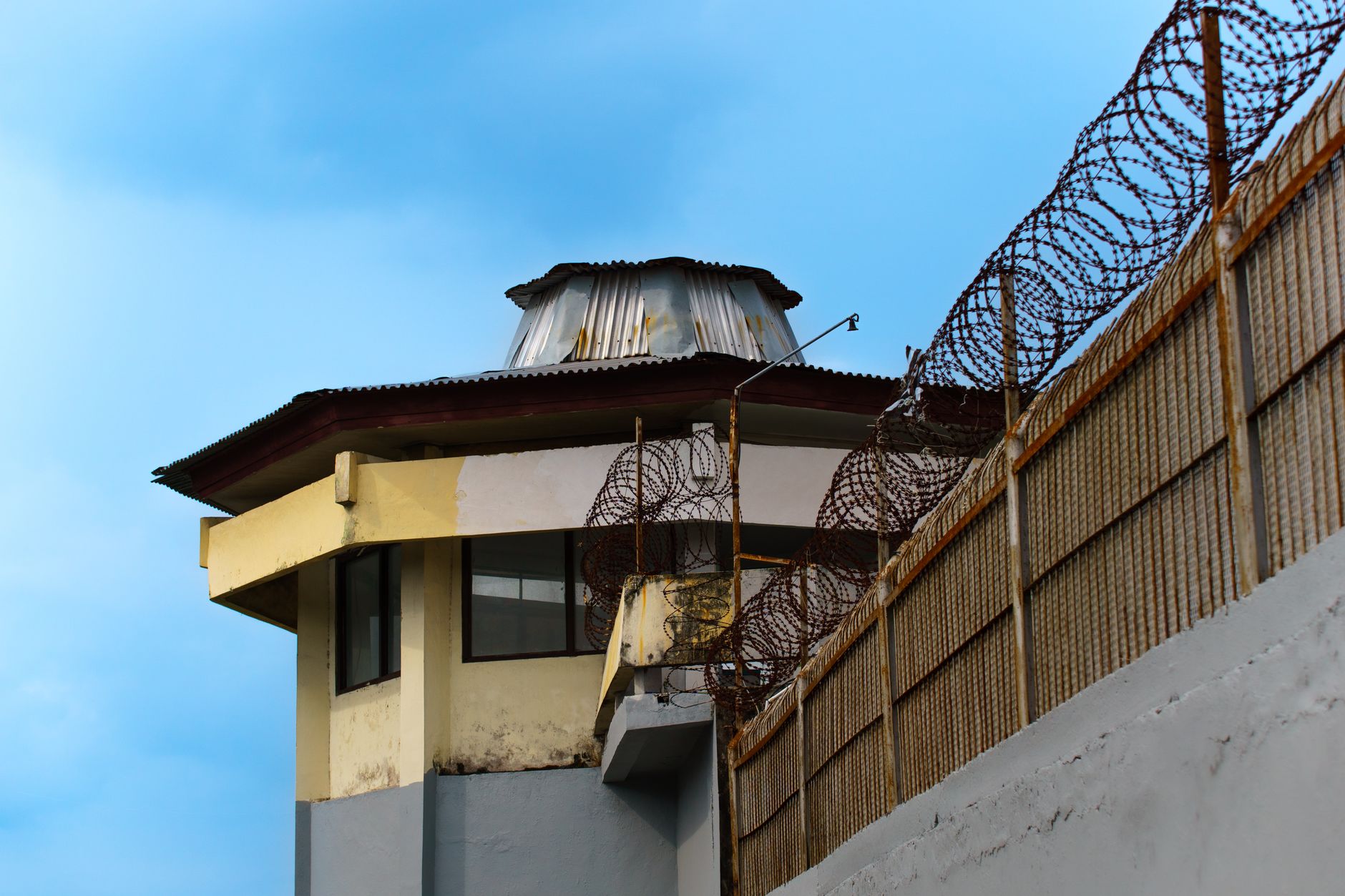
Delhi detentions have become a pressing issue as the UN human rights body expresses concern over the situation. The call for immediate release highlights the ongoing human rights challenges in the region.
Overview of Delhi Detentions
The recent Delhi detentions have sparked widespread criticism and concern from various human rights organizations, including the United Nations human rights body. Reports indicate that several individuals were detained during protests, raising serious questions about the adherence to human rights standards in the country.
Witnesses have described instances where law enforcement officials employed excessive force, leading to injuries among protesters. These actions have prompted calls for accountability and transparency regarding the treatment of detainees.
In response to the ongoing situation, the UN human rights body stated that the detentions appear to contravene international human rights laws. They emphasized the importance of safeguarding the right to peaceful assembly and urged the Indian government to ensure that these rights are upheld.
Key concerns highlighted include:
- Excessive Use of Force: Reports of violent clashes have raised alarms about police brutality.
- Lack of Due Process: Many detainees have not been afforded legal representation or a fair hearing.
- Impact on Civil Society: The detentions are viewed as a broader effort to suppress dissent and limit free expression.
As the situation continues to unfold, advocates are calling for the immediate release of those detained and a comprehensive review of the policies governing such actions.
UN Response to Human Rights Concerns
The recent detentions in Delhi have drawn significant attention from international human rights organizations. The United Nations human rights body has expressed serious concerns regarding the treatment of individuals detained during the recent protests. In a statement released on Thursday, the UN emphasized the need for immediate action to address these human rights violations.
According to the UN, the detentions appear to violate several fundamental rights, including:
- Freedom of expression: The right to voice dissent and criticize government actions must be protected.
- Due process: Individuals detained should be provided with fair legal representation and the opportunity to contest their detention.
- Treatment of detainees: Reports of mistreatment and inadequate conditions raise alarm over the treatment of those in custody.
UN officials have called for the Indian government to:
- Immediately release all individuals detained without just cause.
- Ensure accountability for any abuses that may have occurred during the detentions.
- Engage in constructive dialogue with civil society to address grievances.
The situation continues to evolve, and the international community is closely monitoring the developments concerning the Delhi detentions.
Impact on Civil Liberties in India
The recent Delhi detentions have sparked intense debate regarding civil liberties in India. Observers argue that these actions undermine fundamental rights protected under the Indian Constitution. The detentions, carried out in a manner perceived as arbitrary, raise critical questions about the balance between national security and individual freedoms.
Critics highlight the potential chilling effect on freedom of expression and assembly. Many individuals fear that speaking out against government policies could lead to similar detentions, thereby stifling dissent. This environment creates a sense of apprehension among activists, journalists, and ordinary citizens alike.
In light of the UN’s concern over human rights, several organizations have called for greater transparency and accountability in law enforcement practices. They emphasize the need for:
- Clear guidelines governing the conditions under which detentions can occur.
- Legal representation for those detained to ensure their rights are upheld.
- Monitoring mechanisms to observe and report on the treatment of detainees.
The implications of these detentions extend beyond individual cases, potentially impacting the broader democratic fabric of the nation. As discussions continue, the spotlight remains on the government to address these serious concerns and uphold the rights of all citizens.
Calls for Immediate Action
The recent wave of Delhi detentions has sparked widespread outcry, prompting human rights advocates to call for immediate action from both the Indian government and international organizations. Activists argue that these detentions represent a significant threat to civil liberties and the freedoms guaranteed by the constitution.
Numerous human rights organizations have mobilized to demand the release of those detained, highlighting several key issues:
- Violation of Due Process: Critics emphasize that many individuals were detained without proper legal procedures, undermining the rule of law.
- Targeting of Dissent: There are allegations that the detentions disproportionately affect activists and individuals voicing opposition to government policies.
- International Responsibilities: The UN human rights body has urged India to uphold its commitments to human rights, stressing the importance of protecting individual freedoms.
In response to growing concerns, many political leaders and civil society groups are pressing for a transparent investigation into the circumstances surrounding these detentions. The urgency of the situation has led to calls for international oversight and intervention to ensure that human rights are respected and upheld in the face of increasing repression.
Public Reaction to Detentions
The recent Delhi detentions have sparked widespread public outcry, with many citizens expressing their outrage over the implications for human rights in India. Activists, politicians, and ordinary citizens have taken to social media and streets to voice their concerns.
Among the prominent reactions, several human rights organizations have issued statements condemning the detentions, emphasizing that such actions undermine democratic values. Amnesty International has called for a thorough investigation into the circumstances surrounding the detentions, urging authorities to ensure accountability.
Public demonstrations have erupted in various parts of the city, with participants holding banners that read, “Defend our Rights!” and “Release the Detained!”. Many protesters argue that the Delhi detentions represent a dangerous precedent, warning that they could lead to further erosion of civil liberties in the country.
Political leaders from various parties have also weighed in on the issue. Opposition leaders have demanded immediate action and have called for a parliamentary discussion on the matter. They argue that the government’s handling of the situation could have long-lasting repercussions on India’s democratic framework.
As public sentiment continues to grow, the pressure on the government to address the Delhi detentions and restore faith in human rights protections remains high.
Legal Ramifications of Detentions
The recent Delhi detentions have sparked significant legal ramifications, drawing attention from both national and international legal experts. Human rights advocates argue that these detentions may violate various constitutional protections afforded to individuals in India.
According to legal analysts, the detentions raise questions about:
- Due Process: Many of those detained were apprehended without formal charges or a clear legal basis, potentially infringing on their right to a fair trial.
- Freedom of Expression: The detentions appear to target individuals and groups expressing dissent, which could be construed as a violation of the constitutional right to free speech.
- Protection Against Arbitrary Arrest: The nature of the detentions suggests an arbitrary approach, undermining the protections against unjust imprisonment.
The UN human rights body has called for immediate investigations into these detentions, emphasizing the need for accountability. Legal experts contend that if these detentions are found to be unlawful, it could lead to a series of legal challenges, potentially reshaping the legal landscape surrounding civil liberties in India.
As the situation unfolds, the ramifications of the Delhi detentions will likely continue to provoke widespread debate regarding human rights and the legal frameworks that govern them.
Future of Human Rights in Delhi
The recent Delhi detentions have ignited a vigorous debate about the future of human rights in the capital city and beyond. As civil liberties come under increasing scrutiny, the implications for citizens’ rights are becoming more pronounced. Activists and legal experts warn that if such detentions continue without accountability, they may pave the way for systemic abuses that undermine democratic values.
There are several key factors that could shape the human rights landscape in Delhi:
- Government Accountability: The extent to which the government addresses concerns from international bodies and civil society will be critical in determining future human rights protections.
- Public Awareness: Increasing awareness among the public regarding their rights can foster a culture that demands accountability and justice.
- Judicial Independence: A robust and independent judiciary is essential for safeguarding human rights and ensuring that unlawful detentions are challenged in court.
- International Pressure: Ongoing scrutiny and pressure from global human rights organizations can influence the Indian government to uphold its commitments to human rights.
As these factors evolve, the trajectory of human rights in Delhi will depend on the collective efforts of citizens, activists, and the international community to advocate for justice and accountability.
The recent Delhi detentions have sparked widespread outrage among human rights advocates. Many are calling for immediate investigations into the circumstances surrounding these Delhi detentions.
Photo by Dwi Candra on Pexels



2 thoughts on “Delhi detentions raise serious concerns over human rights”