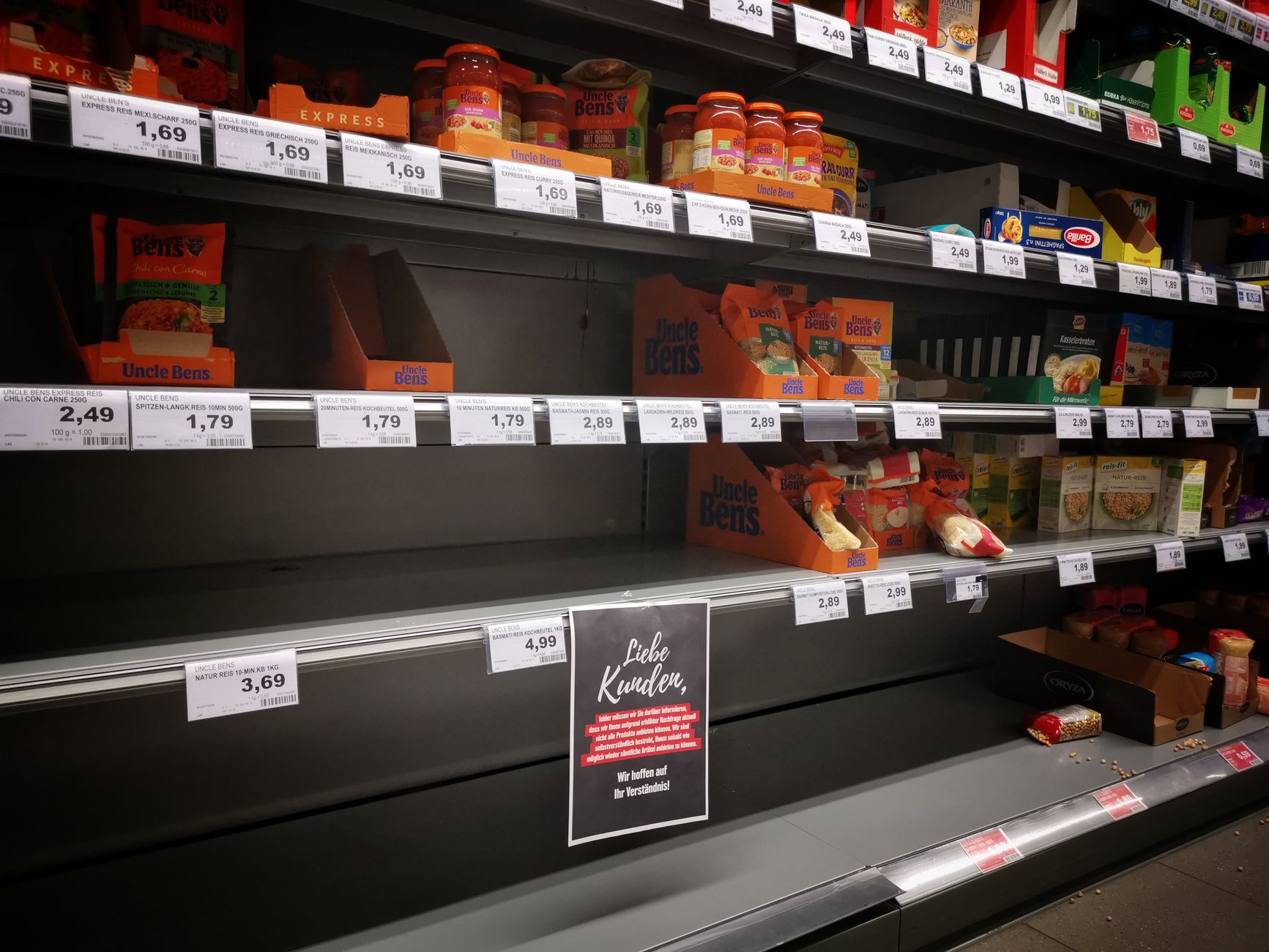
grocery chain store closures are becoming a reality as a 100-year-old giant shuts down locations in four states, impacting many loyal customers.
Overview of Grocery Chain Store Closures
In recent months, the grocery industry has faced significant upheaval, leading to numerous grocery chain store closures across the country. One of the most notable examples is the closure of a 100-year-old grocery giant, which has shuttered locations in four states, leaving communities reeling.
These closures are not merely business decisions; they have a profound impact on local economies and residents. As grocery chain store closures occur, neighborhoods often lose more than just a shopping venue. The implications include:
- Job Losses: Many employees find themselves unemployed, affecting families and local job markets.
- Food Access: Residents in affected areas may struggle to find nearby grocery options, leading to food deserts.
- Economic Decline: Local businesses that rely on foot traffic from grocery stores may also suffer, exacerbating economic challenges.
The ripple effects of these closures are felt far beyond the aisles of grocery stores. As communities grapple with the fallout, the long-term consequences of grocery chain store closures raise critical questions about the future of food access and local economies.
Reasons Behind the Store Closures
The recent wave of grocery chain store closures has left many communities grappling with the consequences. Several factors contribute to this trend, significantly impacting local economies and the availability of essential goods.
- Changing Consumer Behavior: With the rise of online shopping and delivery services, many grocery chains are struggling to compete, leading to a decline in foot traffic.
- Increased Operating Costs: Rising costs, including labor, rent, and utilities, have made it difficult for some grocery stores to maintain profitability.
- Market Saturation: In some regions, an oversaturation of grocery stores has resulted in stiff competition, forcing weaker chains to shut down.
- Supply Chain Issues: Ongoing supply chain disruptions have affected inventory levels, leading to diminished customer satisfaction and, in turn, reduced sales.
- Pandemic Aftermath: The COVID-19 pandemic has altered shopping habits permanently, with many consumers opting for convenience over traditional grocery shopping.
As grocery chain store closures continue, communities are left with fewer options for affordable and accessible food, highlighting the need for strategic solutions to address these challenges.
Impact on Local Communities
The recent wave of grocery chain store closures has had a profound impact on local communities across the country. As these stores shut their doors, residents face a range of challenges that extend beyond mere inconvenience.
One of the most immediate effects is the loss of access to fresh food. Many low-income neighborhoods rely heavily on these grocery chains for their daily groceries. With the closures, families may find themselves traveling longer distances to reach the nearest store, which can be both time-consuming and costly.
Additionally, the closures contribute to economic decline in the affected areas. Local jobs are lost, leading to increased unemployment rates and reduced consumer spending. This creates a cycle of economic hardship, as fewer jobs mean less money circulating within the community.
Moreover, the absence of grocery stores can lead to food deserts, making it difficult for residents to maintain a healthy diet. This can exacerbate health issues and increase the reliance on convenience stores that often lack nutritious options.
In conclusion, grocery chain store closures have detrimental effects on community well-being, creating significant barriers to food access and economic stability.
Customer Reactions to the Closures
As news of grocery chain store closures spreads, customers are expressing their concerns about the impact on their communities. Many shoppers who relied on these stores for their daily needs are now feeling the strain of losing a familiar shopping destination.
Local residents have taken to social media to voice their frustrations. One shopper remarked, “It’s devastating to see our neighborhood grocery store close after being here for so long. Where will we go for fresh produce now?” Others echoed similar sentiments, highlighting the importance of accessibility to affordable groceries.
The closures have led to increased anxiety about food deserts developing in areas previously served by these grocery chains. Customers fear that the loss of these stores will not only limit their shopping options but also contribute to rising prices at remaining retailers.
In response to the situations, some community leaders are calling for initiatives to support local businesses and fill the void left by grocery chain store closures. They emphasize the need for sustainable solutions that ensure all residents have access to essential goods.
As shoppers adapt to the new landscape, the long-term effects of these closures remain to be seen.
Future of Grocery Retail
The future of grocery retail is increasingly uncertain as major grocery chain store closures reshape the landscape of local markets. With the recent announcement of closures affecting numerous communities, many are left wondering how these changes will influence access to essential goods and services.
As grocery chains evolve to meet shifting consumer preferences, the rise of online shopping and delivery services has put pressure on traditional brick-and-mortar locations. This transformation may lead to further grocery chain store closures, particularly in areas that struggle to maintain profitability.
Experts suggest that the remaining grocery stores may need to adapt by diversifying their offerings or enhancing customer experiences to retain loyal shoppers. Strategies such as:
- Emphasizing local products to attract community support,
- Implementing innovative technology for improved shopping convenience,
- Fostering partnerships with local farmers and suppliers.
In this challenging environment, it is crucial for grocery chains to remain attuned to the needs of their communities. Their ability to innovate and adapt will ultimately determine the sustainability of grocery retail in the face of ongoing closures.
Comparing Other Grocery Chains
As the landscape of grocery retail continues to evolve, several other grocery chains have also faced similar challenges, leading to store closures that have significantly affected their communities. In recent years, prominent players have announced plans to shut down locations, citing factors such as increased competition, changing consumer preferences, and economic pressures.
Among the major grocery chains experiencing closures, some notable examples include:
- Chain A: Known for its extensive selection, this chain recently closed several stores in urban areas, leaving residents with fewer options for fresh produce.
- Chain B: This grocery giant reduced its footprint by shutting down multiple locations in suburban neighborhoods, resulting in a considerable impact on local employment.
- Chain C: Facing financial difficulties, this chain announced a series of closures, raising concerns about food deserts forming in regions where stores once thrived.
These grocery chain store closures not only disrupt the local economy but also diminish access to essential goods, highlighting the need for communities to adapt and seek new solutions in the wake of these changes.
Economic Implications of Store Closures
As grocery chain store closures continue to reshape the retail landscape, the economic implications for affected communities are profound. These closures often lead to job losses, leaving many families without a primary source of income. The ripple effect can be significant, as local economies rely heavily on the employment and spending power generated by grocery stores.
Moreover, the reduction in available grocery options can lead to increased prices and diminished access to healthy food choices, particularly in low-income areas. Residents may find themselves traveling longer distances to shop, which not only elevates transportation costs but also impacts their overall quality of life.
In addition to the immediate economic fallout, the long-term consequences can hinder community development. With fewer retail establishments, there is a diminished potential for investment and growth in the area. Local businesses may struggle to thrive without the foot traffic that grocery stores typically generate.
- Job Losses: Many employees face unemployment, affecting family stability.
- Increased Prices: Limited competition can lead to higher prices for consumers.
- Accessibility Issues: Communities may experience food deserts, making healthy options harder to find.
In summary, the implications of grocery chain store closures extend beyond immediate inconveniences, posing significant challenges to economic vitality and community well-being.
What Happens Next for the Chain?
The recent wave of grocery chain store closures has left many wondering about the future of these essential retailers. As communities grapple with the loss of their local grocery stores, the question arises: what happens next for the chain?
Experts predict several potential outcomes for affected communities and the grocery industry as a whole. Firstly, remaining stores in the area may experience a surge in customers, leading to increased sales and possibly new opportunities for expansion. However, this could also create pressure on these stores to meet the rising demand, potentially straining resources.
Additionally, local food access may become a significant concern. With fewer grocery options available, residents may have to travel further for basic necessities, which could disproportionately affect low-income families. Community leaders are already seeking solutions, including support for local farmers’ markets and food co-ops to fill the gaps left by the closures.
Lastly, the closures may prompt a reevaluation of grocery retail strategies. As chains reexamine their business models, we may see a shift towards smaller, more community-focused stores that prioritize customer engagement and local sourcing.
Photo by Roy Broo on Pexels
Read the original
Related stories
India’s exports to BRICS: Proven Growth Amidst Challenges · India-funded bridge restoration: A smart investment for progress · OBC Andolan News: What Are the Proven Updates Today?


2 thoughts on “Grocery chain store closures: Worst impact on communities”