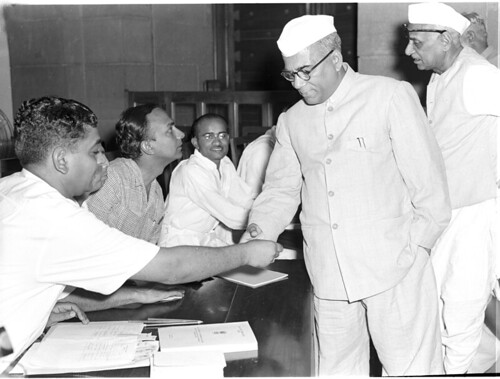
Rajya Sabha polls have led to Hardeep Puri being the sole candidate after the nomination papers of two others were rejected. This unexpected turn raises questions about the election dynamics.
Overview of Rajya Sabha Polls
The Rajya Sabha polls have emerged as a significant political event, especially in Madhya Pradesh, with the nomination process recently concluding. In a surprising turn of events, Hardeep Puri has been declared the sole candidate after the nomination papers of two other contenders were rejected. This development raises questions about the electoral dynamics and the implications for the ruling party.
The Rajya Sabha, as the upper house of India’s Parliament, plays a crucial role in shaping legislation and policy. The recent polls serve as a litmus test for the political strength of various parties in the state. With Hardeep Puri’s candidacy, party leaders express confidence in securing the seat, bolstered by his experience and past performance in governance.
As the political landscape evolves, many are keen to see how the Rajya Sabha polls will influence the broader electoral scenario in India. The outcome of this election could have lasting ramifications, not only for the party but also for future legislative initiatives.
Implications of Nomination Rejections
The recent developments surrounding the Rajya Sabha polls have raised significant questions about the implications of nomination rejections. In a surprising turn of events, two candidates were disqualified, leaving Hardeep Puri as the sole contender for the upcoming election. This outcome not only highlights the competitive nature of the Rajya Sabha polls but also emphasizes the importance of adhering to procedural requirements during the nomination process.
The rejection of nominations could have several ramifications. Firstly, it consolidates Puri’s position as the uncontested candidate, potentially enhancing his influence within the party and among constituents. Secondly, it may discourage future candidates from entering the fray, fearing similar outcomes. Furthermore, the absence of opposing candidates could lead to questions about the democratic nature of the election, with critics arguing that a lack of competition undermines the essence of the Rajya Sabha polls.
Ultimately, the situation raises concerns about transparency and fairness within the electoral process, prompting calls for a review of nomination procedures to ensure that all eligible candidates have a fair chance to participate.
Hardeep Puri’s Political Journey
Hardeep Puri’s political journey has been marked by significant milestones that showcase his evolution as a prominent leader in Indian politics. Initially serving as a diplomat, Puri transitioned into active politics, bringing a wealth of experience in international relations to his role. His tenure as the Minister of State for Housing and Urban Affairs has been notable, where he championed various urban development initiatives.
With the recent Rajya Sabha polls, Puri has emerged as the sole candidate after the nomination papers of two others were rejected. This development underscores his strong position within the party and the confidence placed in him by the leadership.
Throughout his career, Puri has been known for his articulate communication and assertive stance on key issues. His ability to engage with both domestic and international audiences has further solidified his reputation. As the Rajya Sabha polls approach, many are closely watching how his candidacy will impact the strategic landscape of Indian politics.
In summary, Hardeep Puri’s journey reflects a blend of diplomacy and political acumen that may serve him well in the upcoming Rajya Sabha polls.
What This Means for Voters
The recent developments in the Rajya Sabha polls have significant implications for voters in Madhya Pradesh. With Hardeep Puri standing as the sole candidate following the rejection of nomination papers from two other contenders, the electoral landscape has shifted considerably.
For voters, this means they will have a single choice in the upcoming elections, which could simplify the decision-making process. However, it also raises questions about the democratic nature of the polls, as having multiple candidates is often seen as a vital aspect of a vibrant electoral system.
Moreover, Hardeep Puri’s candidacy brings both opportunities and challenges. Voters must consider:
- The experience and track record of Puri in governance and policy-making.
- The implications of his potential win on local and national issues.
- Voter sentiments towards the ruling party’s agenda under his representation.
As the Rajya Sabha polls approach, the political dynamics are likely to evolve, prompting voters to closely evaluate their options.
Future of Rajya Sabha Elections
The future of Rajya Sabha elections appears to be shaped by the recent developments surrounding candidates like Hardeep Puri. With his nomination as the sole candidate following the rejection of others, the political landscape is increasingly focused on the implications of such a scenario. Many analysts believe that having a single candidate can streamline the electoral process, but it also raises questions about democratic representation.
As the Rajya Sabha polls approach, the effectiveness of having a candidate like Puri at the forefront may depend on several factors:
- Voter Engagement: Will voters feel motivated to turn out when only one candidate is on the ballot?
- Political Strategy: How will parties adapt their strategies in response to this unique situation?
- Future Nomination Processes: What changes might be made to prevent similar rejections in future elections?
Ultimately, the Rajya Sabha polls will play a crucial role in determining not only Puri’s political fate but also the broader electoral dynamics in the country.
By public.resource.org via Openverse

One thought on “Rajya Sabha polls: Is Hardeep Puri the Right Candidate?”