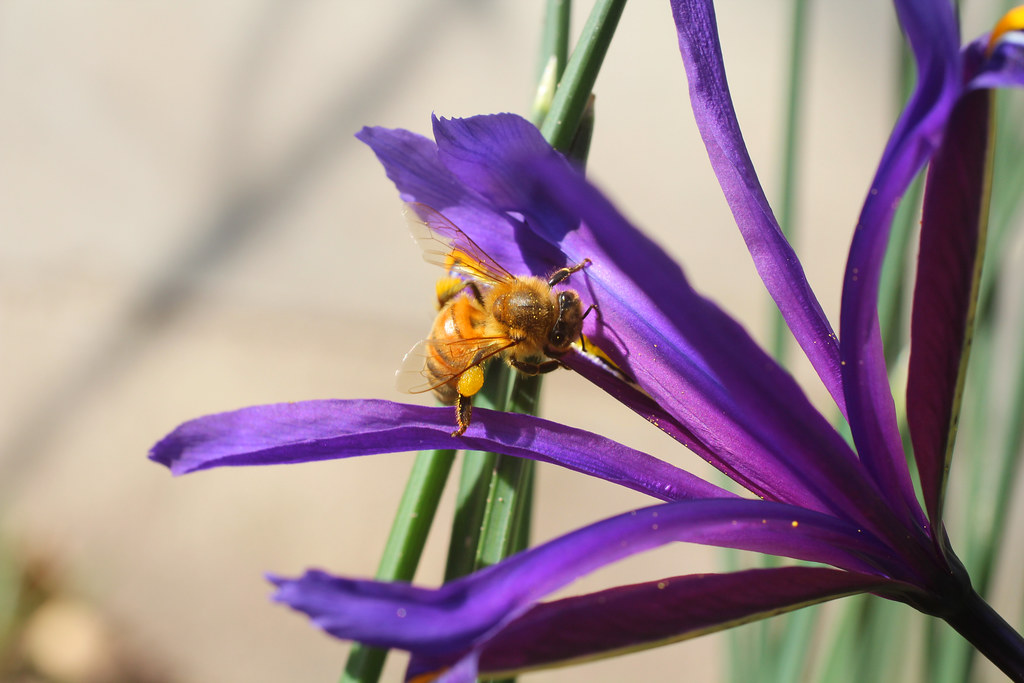
bee hive benefits are often overlooked in discussions about their importance. These structures play a crucial role in enhancing the health and productivity of bee colonies.
Understanding the Role of Beehives
Beehives serve a crucial role in the overall health and productivity of bee colonies. These structures provide more than just shelter; they create an environment that fosters the growth and survival of the colony. Understanding the role of beehives is essential for both novice and experienced beekeepers.
First and foremost, beehives protect bees from harsh weather conditions, such as rain, wind, and extreme temperatures. The design of the hive allows bees to maintain a stable internal climate, which is vital for brood development. This stability is one of the key bee hive benefits that contribute to a thriving colony.
Moreover, beehives facilitate efficient communication among bees. The chemical signals, or pheromones, produced within the hive help regulate colony behavior, ensuring that tasks such as foraging and brood care are carried out effectively. Additionally, the hive structure aids in the storage of honey and pollen, essential food sources that support the colony during periods of scarcity.
Another significant advantage of beehives is their ability to deter pests and predators. By enclosing the bee colony in a protective structure, beehives minimize the risk of attacks from external threats, allowing the colony to focus on growth and productivity.
In summary, understanding the role of beehives highlights their importance in promoting healthy bee colonies, making them indispensable in the world of beekeeping.
Chemical Properties of Beehives
The chemical properties of beehives play a crucial role in the health and productivity of bee colonies. Within these intricate structures, bees produce a variety of substances that contribute to their survival and well-being. One of the most significant benefits of bee hives is the production of propolis, a resinous material gathered from tree buds and other plant sources. Propolis is known for its antimicrobial properties, helping to protect the hive from bacteria and fungi.
Additionally, the wax used to construct honeycombs has unique chemical properties that aid in regulating the hive’s internal environment. This wax helps maintain optimal humidity and temperature levels, essential for brood development and honey storage. The bees also secrete pheromones, which are chemical signals that play a vital role in communication and social organization within the hive.
Moreover, essential oils produced by the bees can enhance the hive’s resilience against pests and diseases. These compounds create a protective barrier, making it difficult for harmful organisms to invade. The combination of these chemical properties not only benefits the bees but also promotes a thriving ecosystem.
In summary, the chemical properties of beehives are fundamental to the overall success of bee colonies. By understanding these mechanisms, beekeepers can implement practices that harness the bee hive benefits, ultimately supporting the health of the bees and their environment.
How Beehives Support Colony Health
Beehives play a crucial role in maintaining the health and vitality of bee colonies. These structures not only provide shelter but also create an environment that fosters growth and productivity. By understanding the various benefits of beehives, beekeepers can better support their colonies and enhance their overall well-being.
One of the primary benefits of beehives is their ability to regulate temperature and humidity levels. This microclimate is essential for optimal brood development. When bees are able to maintain a stable environment inside their hive, they are more likely to thrive and produce healthy offspring.
In addition to temperature control, beehives also serve as a protective barrier against predators and harsh weather conditions. The walls of the hive shield the colony from external threats, while the design of the hive allows for ventilation, reducing the risk of mold and disease.
Moreover, beehives facilitate the collection and storage of honey and pollen, which are vital food sources for the colony. This storage capability ensures that bees have access to nourishment even during times of scarcity.
Ultimately, the benefits of beehives extend beyond mere shelter. By supporting colony health through these structures, beekeepers can contribute to the longevity and productivity of their bee populations, making it crucial to understand and appreciate the role of beehives in sustaining vibrant colonies.
The Importance of Bees in Agriculture
The significance of bees in agriculture cannot be overstated. These industrious insects play a crucial role in pollinating numerous crops, ensuring food production and biodiversity. The benefits of bee hives extend beyond just honey production; they provide essential services that support the entire ecosystem.
First and foremost, bees are responsible for the pollination of approximately one-third of the food we consume. This includes fruits, vegetables, and nuts, making them integral to a healthy diet. The economic impact of bee pollination is staggering, with estimates suggesting that it contributes billions of dollars to global agriculture.
In addition to their direct contributions to food production, bees also promote genetic diversity among plants. This diversity is vital for creating resilient crops that can withstand diseases and climate change. Moreover, the presence of bee hives in agricultural settings fosters a more balanced ecosystem by supporting a wide range of other pollinators and beneficial insects.
Furthermore, beehives provide a habitat for bees, ensuring their survival and encouraging the growth of strong colonies. Healthy colonies can enhance crop yields and improve the quality of produce, ultimately benefiting farmers and consumers alike. By understanding the bee hive benefits, we can appreciate the invaluable role these insects play in sustaining agriculture and promoting ecological health.
Innovative Beekeeping Practices
Innovative beekeeping practices are essential for enhancing the overall health and productivity of bee colonies, allowing beekeepers to maximize the bee hive benefits while ensuring sustainable practices. Here are some of the most effective strategies being adopted:
- Integrated Pest Management (IPM): This approach combines biological, cultural, and mechanical control methods to minimize the use of chemicals, reducing stress on bee colonies while effectively managing pests.
- Hive Monitoring Technology: Advanced tools, such as temperature and humidity sensors, allow beekeepers to monitor hive conditions in real-time, helping to maintain an optimal environment for bees and prevent disease outbreaks.
- Polyfloral Foraging: Encouraging bees to forage on a diverse range of flowering plants not only enhances honey quality but also improves colony resilience by ensuring bees have access to a variety of nutrients.
- Natural Beekeeping: This practice emphasizes minimal intervention, allowing bees to build their hives naturally. Beekeepers can improve colony strength by providing natural materials and reducing the use of artificial foundations.
- Swarm Management: By understanding swarm behavior and implementing timely interventions, beekeepers can prevent swarming, ensuring a stable population within the hive.
These innovative practices contribute significantly to the sustainability and productivity of beekeeping, ultimately benefiting not just the bees, but also the ecosystem as a whole.
Understanding the bee hive benefits is essential for beekeepers looking to enhance the health and productivity of their colonies. Implementing sustainable practices can significantly amplify these bee hive benefits, leading to stronger hives and increased honey production.
By LadyDragonflyCC – >;< via Openverse