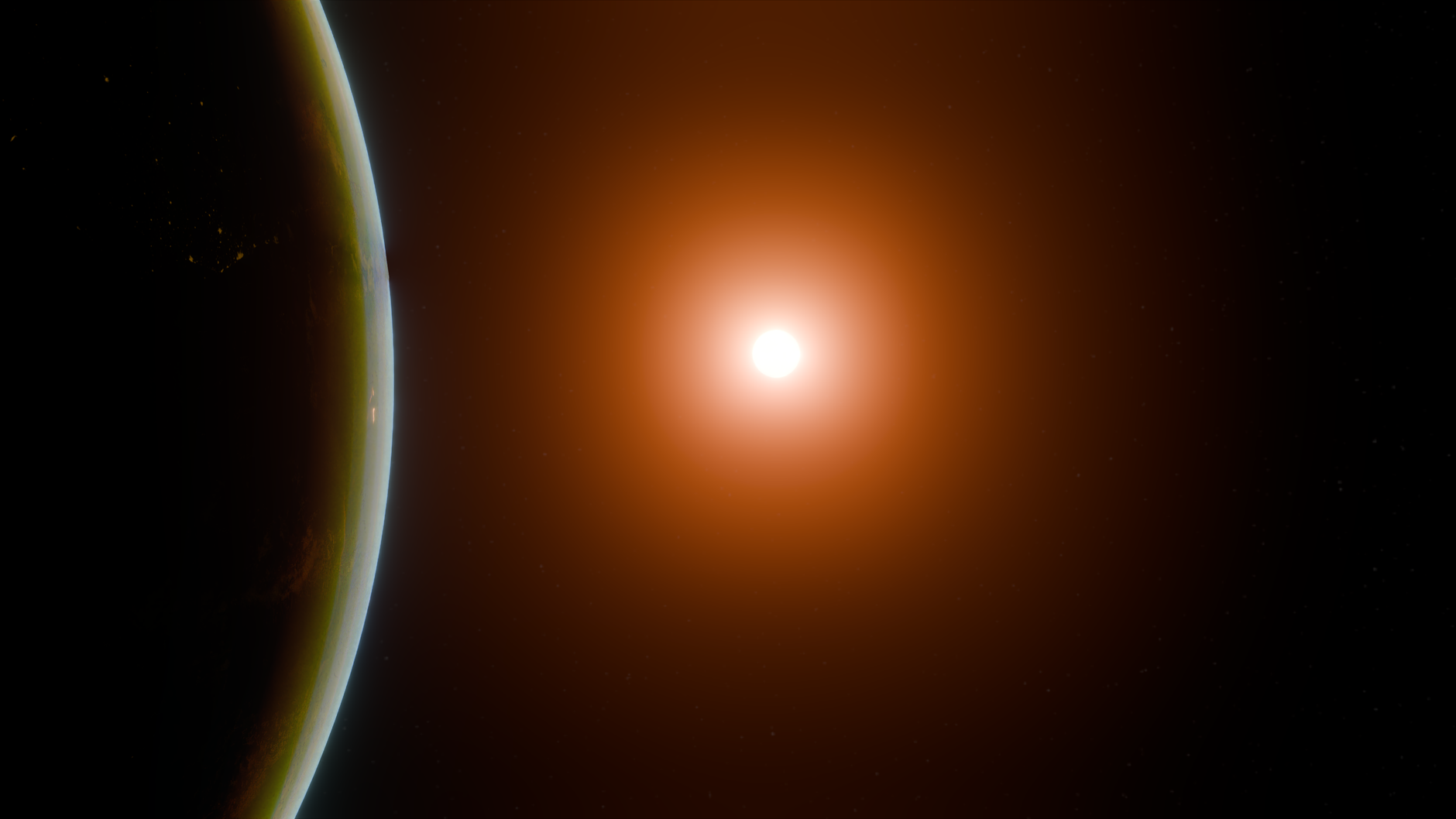
Planets collide is a fascinating topic that explores the dramatic effects of cosmic collisions. NASA’s Webb telescope has revealed stunning insights into these celestial events, shedding light on their impact.
Understanding Planetary Collisions
Planetary collisions are among the most dramatic events in the universe, leading to significant changes in celestial bodies. When planets collide, the forces at play are immense, resulting in a variety of outcomes depending on the sizes, compositions, and velocities of the colliding bodies.
The aftermath of such collisions can include:
- Creation of debris: Large amounts of material can be ejected into space, forming asteroid belts or contributing to the formation of new moons.
- Heat generation: The energy released during a collision can create intense heat, potentially leading to the melting of surfaces and altering geological features.
- Orbital changes: The gravitational interactions may alter the orbits of the remaining planets, leading to more chaotic conditions in the solar system.
Understanding these events helps scientists gain insight into the formation and evolution of planetary systems, as well as the potential hazards they pose. As research continues, new findings reveal the complexities of how planets collide and the lasting impacts on their environments.
NASA’s Webb Telescope Insights
NASA’s Webb Telescope has provided groundbreaking insights into the phenomena of celestial bodies interacting in space, particularly when planets collide. This advanced technology allows scientists to observe the aftermath of such cosmic events in unprecedented detail.
Recent observations have revealed several key aspects of these collisions:
- Debris Formation: When planets collide, they create vast clouds of debris that can linger in space for millions of years, offering clues to the history of our solar system.
- Atmospheric Changes: The impact can significantly alter a planet’s atmosphere, leading to changes in temperature and chemical composition.
- Formation of New Bodies: The remnants of colliding planets can coalesce to form new celestial bodies, contributing to the ongoing evolution of planetary systems.
Through its powerful infrared capabilities, the Webb Telescope is shedding light on these complex processes, helping astronomers better understand the implications of planetary collisions and their role in shaping the universe.
The Science Behind Cosmic Impacts
The phenomenon of planets collide has intrigued scientists for decades, revealing insights into the formation and evolution of our solar system. When two celestial bodies collide, the impact can result in dramatic changes, including the creation of new planetary bodies or the destruction of existing ones.
During a collision, immense energy is released, leading to shockwaves that can alter the surface and atmosphere of the planets involved. The aftermath may include:
- Debris Formation: Fragments can accumulate and form moons or rings.
- Heat Generation: The intense heat can melt surfaces, leading to volcanic activity.
- Orbital Changes: The gravitational forces can alter the orbits of surrounding planets.
NASA’s Webb telescope has provided groundbreaking data, allowing scientists to observe these cosmic events more closely. By studying light emitted from these collisions, researchers can better understand their frequency and impact on planetary systems. Such insights illuminate the chaotic history of our universe and the ongoing processes that shape our celestial neighborhood.
Historical Examples of Planetary Collisions
Throughout history, there have been several notable instances of planets collide or come dangerously close to doing so, reshaping our understanding of the cosmos.
One significant example is the hypothesized collision between Earth and a Mars-sized body known as Theia, which is believed to have occurred over 4.5 billion years ago. This monumental event is thought to have resulted in the formation of the Moon, illustrating how planetary collisions can lead to dramatic changes in celestial bodies.
Another compelling case is the collision of the asteroid 4 Vesta with another celestial object, which created a massive crater that can be seen today. This event not only altered Vesta’s surface but also provided astronomers with invaluable insights into the building blocks of our solar system.
In addition, researchers have observed remnants of ancient planetary collisions in the Kuiper Belt, where icy bodies can reveal the history of interactions between distant planets. Such historical examples highlight the profound impact of planetary collisions on the evolution of our universe.
What Happens When Planets Collide?
When planets collide, the effects can be catastrophic and transformative, reshaping the celestial landscape. The energy released during such an event is immense, often equivalent to millions of nuclear explosions. These collisions can lead to the formation of new celestial bodies, as debris from the impact coalesces under gravity.
During a planetary collision, several phenomena can be observed, including:
- Shock Waves: The impact generates shock waves that propagate through both planets, causing significant geological changes.
- Heat Generation: The friction and compression from the collision can create extreme heat, melting rock and releasing gases into the atmosphere.
- Orbital Changes: The gravitational forces involved can alter the orbits of the colliding planets, potentially affecting other nearby celestial bodies.
Notably, the study of these cosmic events, including how planets collide, provides valuable insights into the evolutionary history of our solar system and the potential for life beyond Earth.
The Role of Gravity in Collisions
The phenomenon of planets collide is deeply rooted in the fundamental force of gravity. Gravity is the invisible glue that binds celestial bodies together, influencing their motion and interactions in space.
When two planets come close to each other, their gravitational pull can lead to a series of complex interactions:
- Attraction: Planets exert gravitational forces that can draw them closer together, increasing the likelihood of a collision.
- Orbital Dynamics: The paths of planets can be altered by gravitational interactions, leading to unexpected trajectories.
- Impact Events: When planets finally collide, the release of energy is immense, resulting in shockwaves and the ejection of material into space.
Understanding the role of gravity in these cosmic events is crucial for scientists as they study the formation and evolution of planetary systems. The gravitational forces at play not only shape orbits but also dictate the outcomes of potential collisions, providing insight into the chaotic history of our universe.
Future Implications for Our Solar System
The future implications of planetary collisions extend far beyond mere cosmic spectacle. As scientists continue to study these events, the potential for understanding our solar system’s evolution becomes clearer. The concept of planets collide isn’t just a theoretical idea; it holds significant relevance for the fate of celestial bodies, including Earth.
In the coming decades, ongoing observations through advanced telescopes like NASA’s Webb will enhance our comprehension of the dynamics involved in such collisions. These studies could reveal:
- The formation of new celestial bodies from collision debris, which can lead to the creation of planets and moons.
- Changes in orbital paths that may affect the stability of existing planets in our solar system.
- Insights into the potential for life on other planets, as collisions may play a role in delivering essential elements.
By understanding these cosmic interactions, we can better prepare for the long-term effects they may have on our solar system’s architecture.
How to Observe Cosmic Events
For those intrigued by the wonders of the universe, observing cosmic events such as when planets collide can be a captivating experience. Here are some tips for amateur astronomers and enthusiasts:
- Choose the Right Equipment: A good telescope can enhance your viewing experience. Opt for models that provide clear images of distant celestial bodies.
- Stay Updated: Follow reliable sources like NASA or other astronomical organizations for alerts on upcoming cosmic events.
- Join a Local Astronomy Club: Engaging with fellow astronomy lovers can provide valuable insights and opportunities for star-gazing nights.
- Utilize Apps and Software: There are numerous applications available that can help track celestial events, including simulations of planetary collisions.
- Attend Public Observations: Many observatories host public nights where you can observe the night sky with expert guidance.
By taking these steps, enthusiasts can gain a deeper appreciation for the dynamics of space, including the fascinating phenomenon of planets colliding and the effects they have on our universe.
When planets collide, the aftermath can lead to significant changes in the orbits of nearby celestial bodies. Understanding how planets collide helps scientists predict potential future cosmic events that could impact Earth.
Photo by Zelch Csaba on Pexels
2 thoughts on “Planets Collide: The Real Impact of Cosmic Events”