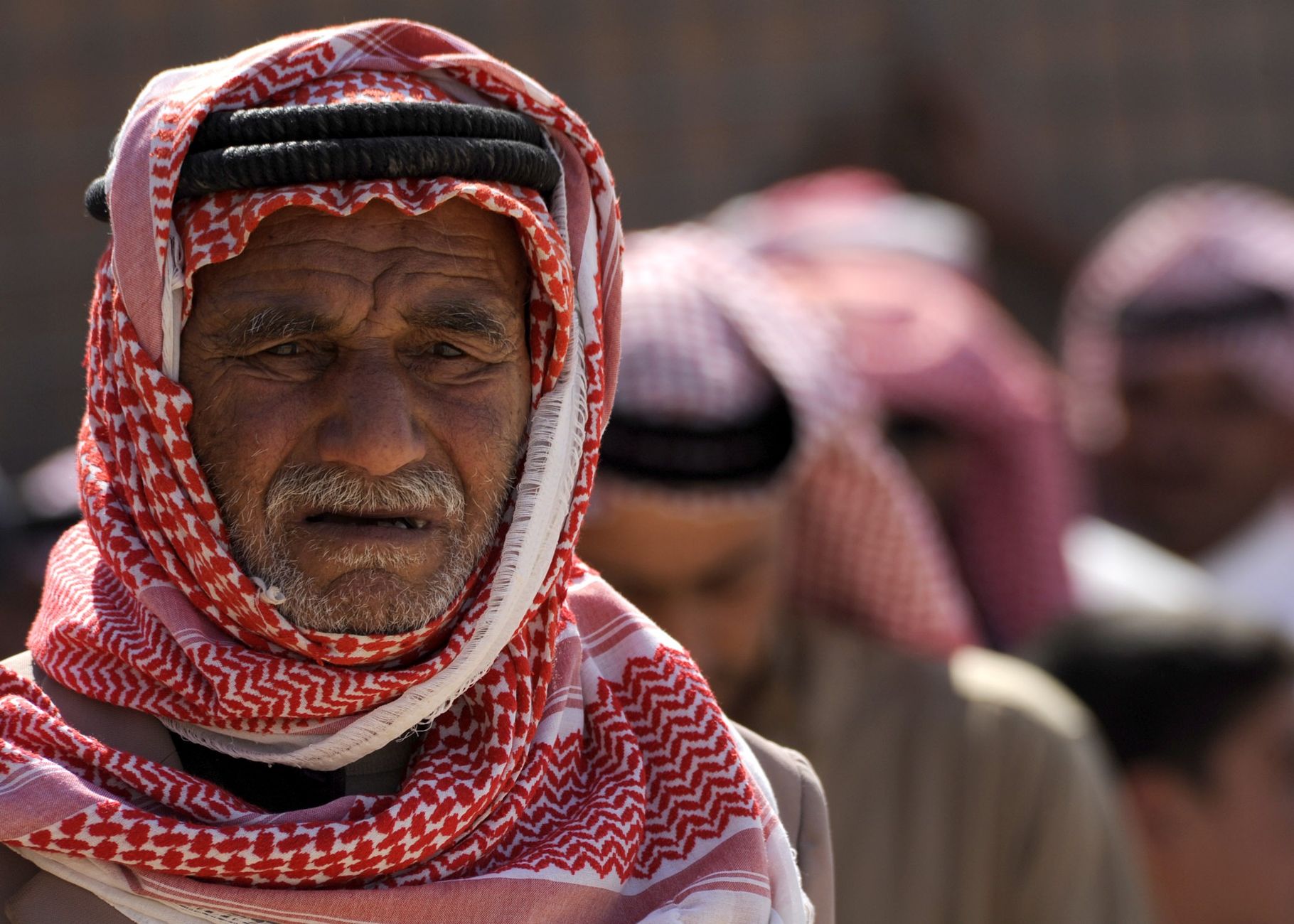
Arab parties disqualified by the election panel in a controversial move that is expected to be overturned. This decision has raised significant concerns about the future of democracy in the region.
Overview of the Disqualification
The recent decision by the election panel to disqualify all Arab parties has raised significant concerns regarding the future of democracy in the region. This unprecedented move is seen by many as a direct attack on the political representation of Arab citizens, who make up a substantial portion of the population.
Observers have noted that the disqualification could lead to increased tensions and further marginalization of Arab voices in the political landscape. The implications of this decision extend beyond immediate electoral outcomes, as it undermines the principles of inclusivity and fairness that are foundational to democratic governance.
Among those affected is the leader of the Balad party, who has also been barred from participating in the upcoming elections. This action is perceived as part of a broader trend aimed at suppressing dissenting political opinions.
The election panel’s ruling has prompted widespread criticism from various advocacy groups and political analysts, who argue that such a move against Arab parties disqualified not only threatens democratic ideals but also risks exacerbating divisions within society.
As the situation unfolds, many are calling for a reevaluation of the decision, hoping that it will be overturned to restore balance in the political arena.
Implications for Arab Political Representation
The recent decision to disqualify all Arab parties has raised significant concerns about the future of political representation for Arab citizens. This move is perceived as a direct affront to the democratic principles that underpin the electoral process.
By excluding these parties, the election panel risks alienating a substantial segment of the population, which has historically faced challenges in voicing its political aspirations. The implications of this disqualification extend beyond mere party politics; they threaten the very fabric of democracy in the region.
Critics argue that such actions could lead to:
- Increased political disenfranchisement: Arab voters may feel that their interests are not represented, leading to lower voter turnout and political apathy.
- Heightened social tensions: The disqualification could exacerbate divisions between communities, fostering an environment of mistrust and resentment.
- Potential for legal challenges: Many anticipate that this decision will be contested in court, which could further complicate the political landscape.
Ultimately, the disqualification of Arab parties may be seen as one of the worst moves for democracy, undermining efforts to create an inclusive political environment.
Reactions from Balad Leader
In the wake of the disqualification of Arab parties, Balad leader Sami Abou Shehadeh expressed deep concern over the implications for democracy in Israel. He stated that this decision represents a significant setback not only for Arab political representation but for the democratic values that the country claims to uphold.
“Disqualifying Arab parties undermines the very foundations of our democracy,” Abou Shehadeh remarked during a press conference. He emphasized that the move to bar all Arab parties is an attempt to silence the voices of the Arab community, which constitutes a substantial portion of the electorate.
Abou Shehadeh called for unity among all political factions that believe in democracy, urging them to stand against what he described as an unjust decision. He noted that history has shown that attempts to marginalize specific groups often lead to greater societal divisions.
As reactions continue to pour in from various quarters, the Balad leader’s statements highlight a growing concern that the disqualification of Arab parties could not only alienate voters but also hinder progress towards a more inclusive political landscape.
“We will not be silenced,” he declared, vowing to fight against what he sees as an erosion of democratic principles.
Legal Challenges Ahead
The recent decision to disqualify Arab parties has ignited a storm of legal challenges that could reshape the political landscape. Legal experts are predicting a series of appeals aimed at overturning the election panel’s controversial ruling. These challenges will likely center on arguments regarding the violation of democratic principles and the right to political representation.
One of the primary legal frameworks that may be invoked is the constitutional guarantee of political participation. Critics argue that disqualifying Arab parties undermines the very foundation of democracy, which is built on inclusivity and representation of diverse voices.
As the legal battles unfold, several key points are expected to emerge:
- Constitutional Rights: The defense will emphasize the fundamental rights of Arab citizens to participate in the electoral process.
- Precedent: Previous cases where similar disqualifications were overturned could serve as critical references.
- Public Sentiment: The prevailing public outcry may influence judicial perspectives on the matter.
Ultimately, the forthcoming legal challenges represent not just a struggle for the affected parties, but also a test of the country’s commitment to democratic values.
Public Response to the Decision
The decision to disqualify Arab parties has sparked widespread public outcry across various segments of society. Many citizens view this move as a significant blow to democracy and representation. Protesters gathered in several cities, expressing their dissatisfaction through chants and placards that read, “No Democracy Without Us!” In social media forums, hashtags related to the disqualification trended, indicating a strong online backlash against the election panel’s ruling.
Numerous citizens and political analysts have voiced concerns that the disqualification of Arab parties undermines the very foundations of democratic governance. Ahmed Al-Mansour, a local political activist, stated, “This decision is not just about politics; it’s about the erasure of voices that contribute to our society.” Public sentiment appears to be shifting towards a greater demand for inclusivity and representation in the political arena.
In addition to protests, many are calling for legal challenges to the disqualification. Community leaders are urging their constituents to remain engaged and organized, emphasizing the importance of maintaining political representation for all groups. As the situation evolves, it remains to be seen how this decision will impact the broader political landscape.
Future of Arab Parties in Elections
The recent decision to disqualify Arab parties from participating in elections has raised significant concerns about the future of political representation for Arab citizens. This move not only undermines their rights but also poses a risk to the democratic process as a whole. The absence of Arab voices in the political arena could lead to further marginalization and alienation of these communities.
Analysts warn that the disqualification of Arab parties could encourage widespread apathy among voters, particularly within those communities that feel their concerns are not being addressed. A lack of representation may result in policies that do not reflect the interests of a substantial portion of the population, potentially exacerbating social divides.
In the wake of this decision, there is a growing call for unity among Arab factions to challenge the ruling. Activists suggest that a collaborative approach could strengthen their position in legal battles and public discourse. However, the path forward remains uncertain, as the implications of this disqualification extend beyond immediate elections.
Ultimately, the future of Arab parties in elections hinges on both legal outcomes and the ability of communities to mobilize and advocate for their rights in the face of such significant challenges.
The decision to have Arab parties disqualified has sparked widespread outrage among citizens who believe it undermines democratic values. Critics argue that the Arab parties disqualified represent a vital voice in the political landscape that must not be silenced.
Photo by Pixabay on Pexels

2 thoughts on “Arab parties disqualified: The Worst Move for Democracy”